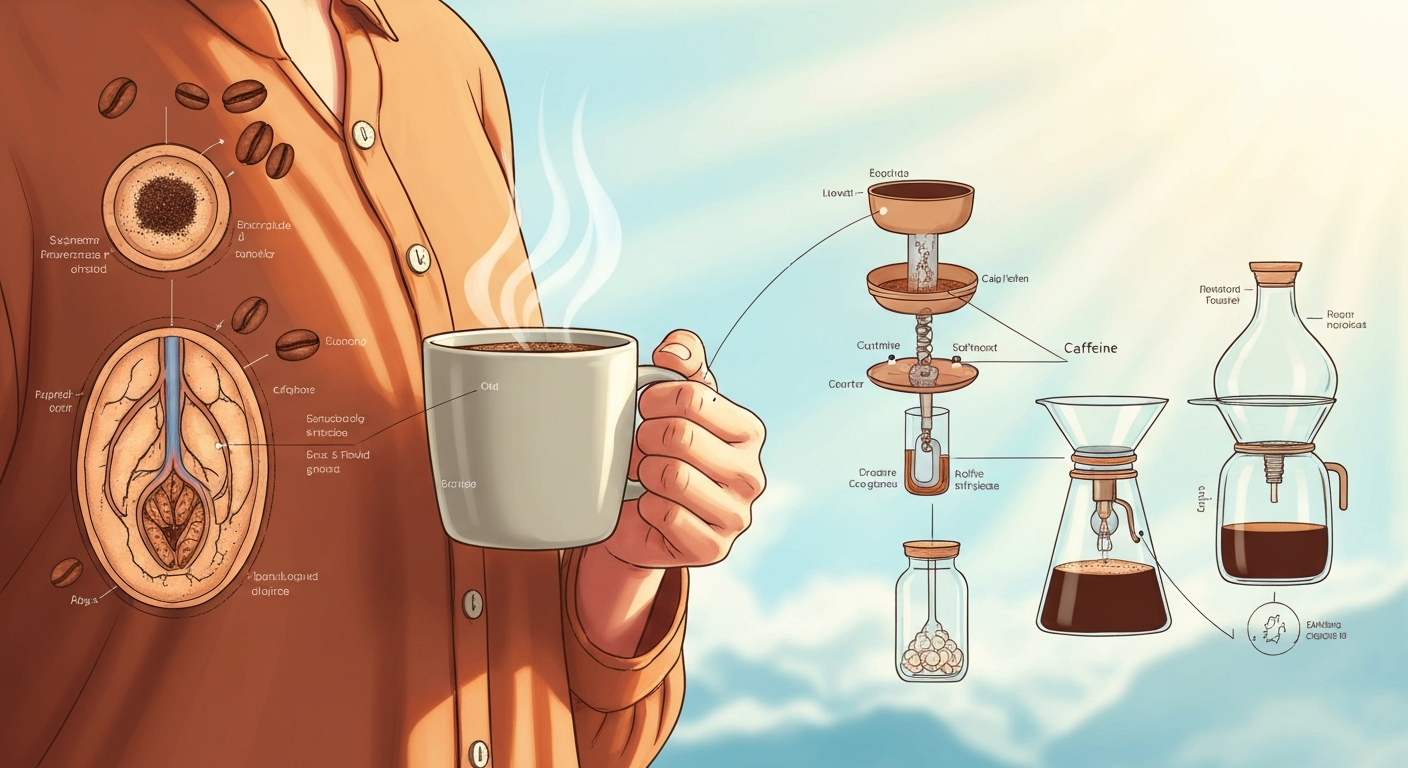
For millions around the globe, the morning simply doesn't begin until that first aromatic sip of coffee. It's more than just a beverage; it's a ritual, a comfort, and for many, a necessary catalyst to kickstart productivity. But why do we reach for that steaming mug so dependably, and what's truly happening when we do? Let's delve into the fascinating world of morning coffee, exploring its benefits, the perfect rituals, and how to make this daily habit work best for you.
The Science Behind the Morning Buzz
At the heart of coffee's energizing power lies caffeine, a natural stimulant that directly affects our central nervous system. When we wake up, our bodies produce a chemical called adenosine, which binds to receptors in our brain and makes us feel drowsy. Caffeine cleverly mimics adenosine, binding to those same receptors but without triggering the sleepy effect. This effectively blocks adenosine from doing its job, leaving us feeling more alert and awake.
Enhanced Alertness: Caffeine's primary role is to reduce fatigue and improve concentration.
Improved Cognitive Function: Studies suggest that moderate coffee consumption can boost various aspects of brain function, including memory, mood, vigilance, and reaction times.
Physical Performance: Caffeine can also enhance physical performance by increasing adrenaline levels and making fat cells available as an energy source.
More Than Just a Jolt: Other Benefits of Coffee
While the energy boost is undoubtedly coffee's most famous attribute, it offers a spectrum of other potential health benefits, thanks to its rich composition of antioxidants and other beneficial compounds.
A Powerhouse of Antioxidants
Coffee beans are packed with antioxidants, which combat free radicals in the body, potentially reducing the risk of various diseases. In fact, for many people, coffee is one of the largest sources of antioxidants in their diet.
Mood Enhancement
Beyond alertness, coffee has been linked to improved mood and a reduced risk of depression. The stimulating effects on neurotransmitters like dopamine and serotonin can contribute to a feeling of well-being and happiness.
Potential Long-Term Health Protection
Research continues to explore coffee's role in health, with studies suggesting links to a reduced risk of:
Type 2 Diabetes
Parkinson's Disease
Alzheimer's Disease
Certain types of Cancer (e.g., liver and colorectal)
Stroke
It's important to note that these are associations and not direct cause-and-effect relationships, and moderation is key.
Crafting Your Coffee Ritual: Making it Mindful
Your morning coffee doesn't have to be a rushed, thoughtless gulp. Transforming it into a mindful ritual can enhance its enjoyment and effectiveness.
Choosing Your Brew
From the robust kick of an espresso to the smooth comfort of a French press, the world of coffee is vast. Experiment with different beans, roasts, and brewing methods to find what truly delights your senses.
Drip Coffee: A classic, convenient choice for a consistent cup.
French Press: Offers a rich, full-bodied brew by allowing grounds to steep directly in water.
Pour Over: Provides a clean, nuanced cup, allowing precise control over extraction.
Espresso: A concentrated shot, perfect for lattes, cappuccinos, or a quick, intense hit.
The Art of the Moment
Instead of drinking your coffee while scrolling through emails, try dedicating a few minutes to simply savoring it. Notice the aroma, the warmth of the mug, the complex flavors. This small act of mindfulness can set a positive tone for your entire day.
Potential Downsides and How to Mitigate Them
While coffee offers numerous benefits, it's not without its potential drawbacks, especially when consumed excessively or inappropriately.
Dependency and Withdrawal
Regular caffeine intake can lead to physical dependence. If you suddenly stop, you might experience withdrawal symptoms like headaches, fatigue, irritability, and difficulty concentrating.
Jitters and Anxiety
Too much caffeine can overstimulate the nervous system, leading to feelings of nervousness, anxiety, restlessness, and even heart palpitations in sensitive individuals.
Sleep Disruption
Caffeine has a half-life of about 5 hours, meaning it takes that long for half of the caffeine to leave your system. Consuming coffee too late in the day can significantly interfere with your sleep quality.
Making Your Coffee Habit Healthier
Mind Your Timing: Avoid coffee 6-8 hours before bedtime to ensure a good night's sleep. Some experts even suggest waiting an hour or two after waking before your first cup to align with your natural cortisol cycle.
Watch Your Add-ins: Sugary syrups, whipped cream, and excessive sweeteners can quickly turn a healthy beverage into a calorie bomb. Opt for healthier additions like a splash of milk, a sprinkle of cinnamon, or just enjoy it black.
Hydrate: Coffee can have a mild diuretic effect, so remember to balance your coffee intake with plenty of water throughout the day.
Listen to Your Body: Everyone's sensitivity to caffeine is different. Pay attention to how coffee makes you feel and adjust your intake accordingly.
Conclusion
For many, starting the day with coffee is more than just a habit; it's a cherished part of their routine that provides an energizing lift, enhances focus, and even contributes to overall well-being. By understanding the science behind the buzz, appreciating the rich flavors, and adopting mindful consumption practices, you can truly harness the power of your morning cup. So, next time you brew your coffee, take a moment to savor it – not just for the jolt it provides, but for the ritual, the pleasure, and the positive start it offers to your day.